
A2 Ghee and Wood-Pressed Oils, Sold Direct
Intro
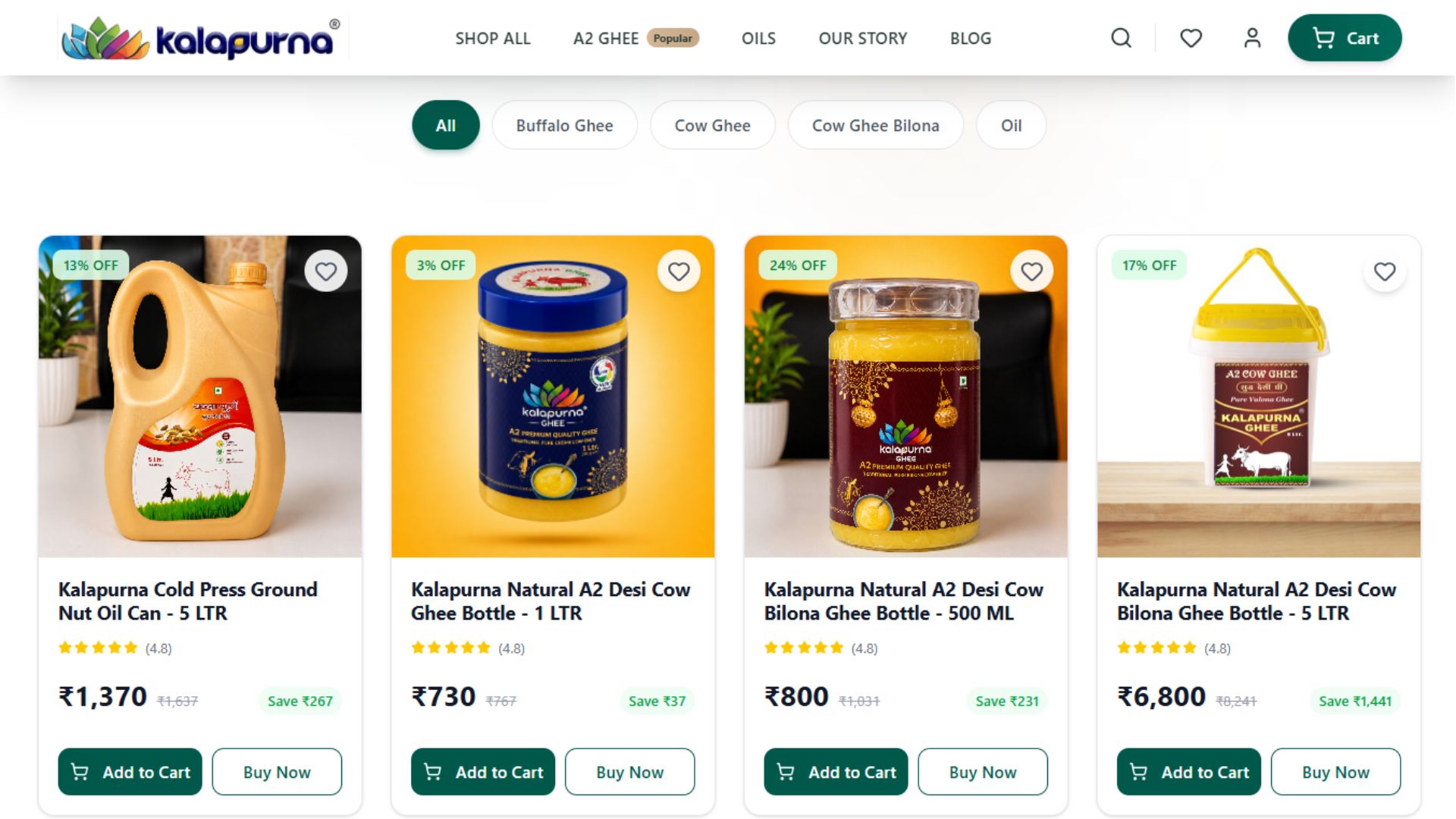
Kalapurna sells A2 ghee and wood-pressed oils straight to the people who eat them, with no marketplace in between. Grabodo built the storefront that carries it - 39 pages covering the catalogue, checkout, payments, delivery tracking and the provenance material a food buyer wants to read before spending.
Kalapurna is a direct-to-consumer brand for A2 ghee and wood-pressed oils. The storefront is a Next.js application backed by Supabase, covering the full journey from first visit through to a delivered order - and sharing its database with the Kalapurna CRM and the driver app that fulfil what it sells.
The Background
Selling ghee and cold-pressed oils direct means competing with marketplace listings that all look the same and all claim the same purity. Kalapurna had the harder story to tell - single-origin sourcing, wood-pressing, lab testing - and no surface on which to tell it. A generic template shop would have flattened exactly the things that justify the price.
The Challenge
The site had to do two jobs that usually fight each other. It needed to convert like a shop, with a fast catalogue, quick view, wishlist, cart and a checkout that does not lose people. It also needed to carry the evidence a cautious food buyer looks for before a first order - where the milk comes from, what the lab found, which licences are held, what the product has won.
On top of that, Kalapurna does not sell through one channel. The same site had to open doors for bulk buyers and for prospective distributors without turning the consumer path into a wholesale portal.
The Solution
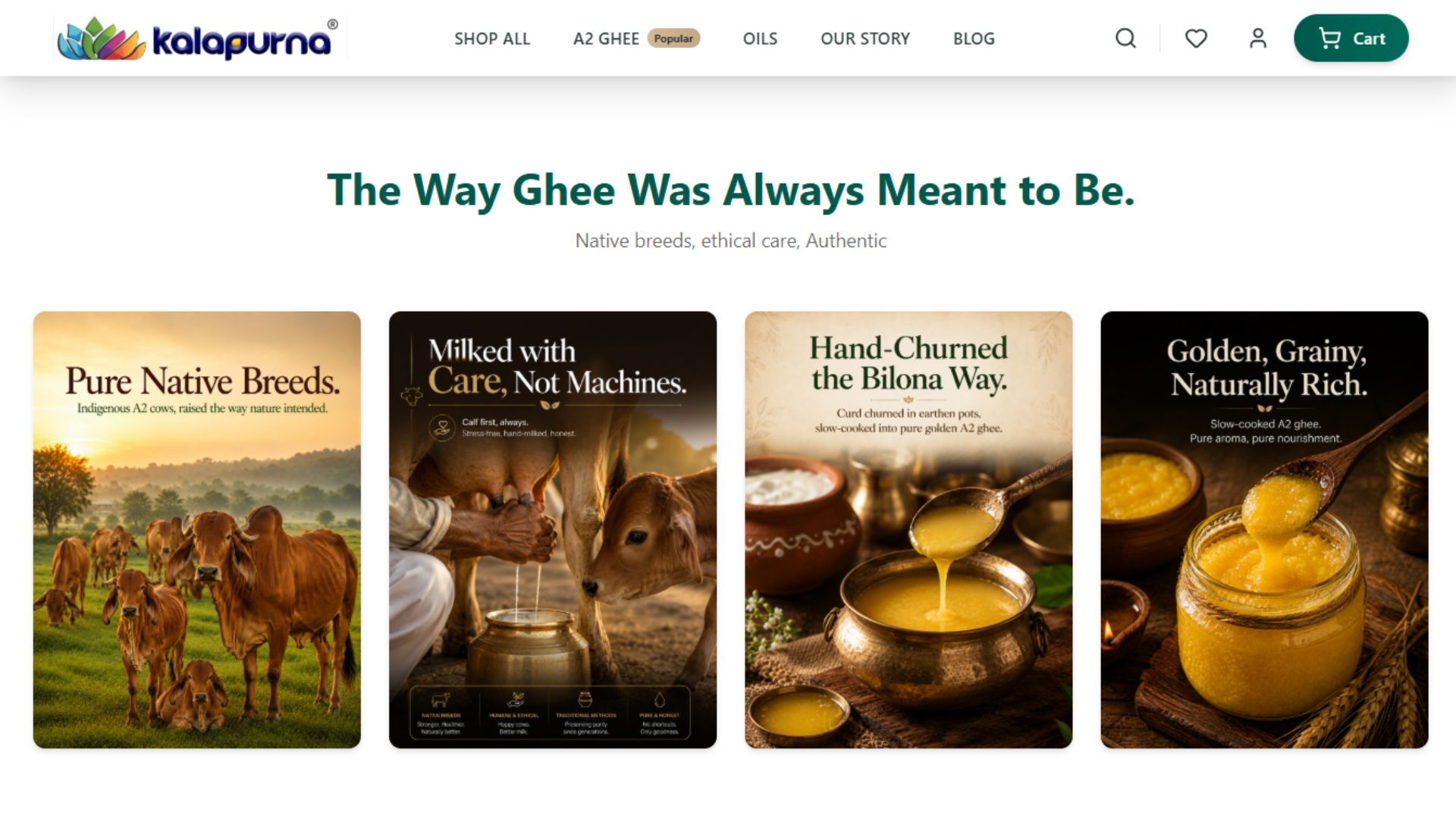
The build puts the proof inside the shopping journey rather than beside it. Sourcing, lab test, licences, awards and our-story are first-class pages linked from the product path, so the evidence is one tap from the buy decision.
Commerce runs end to end on the site: Easebuzz handles payment initiation, verification and callbacks with explicit success and failure states, and Shiprocket handles serviceability checks and shipment creation, with order tracking and invoices available from the customer account. Referrals, coupons, reviews, a return-request flow and a store locator round out the retention side, while bulk-orders and become-distributor capture the two wholesale routes without cluttering the consumer path.
The Solution
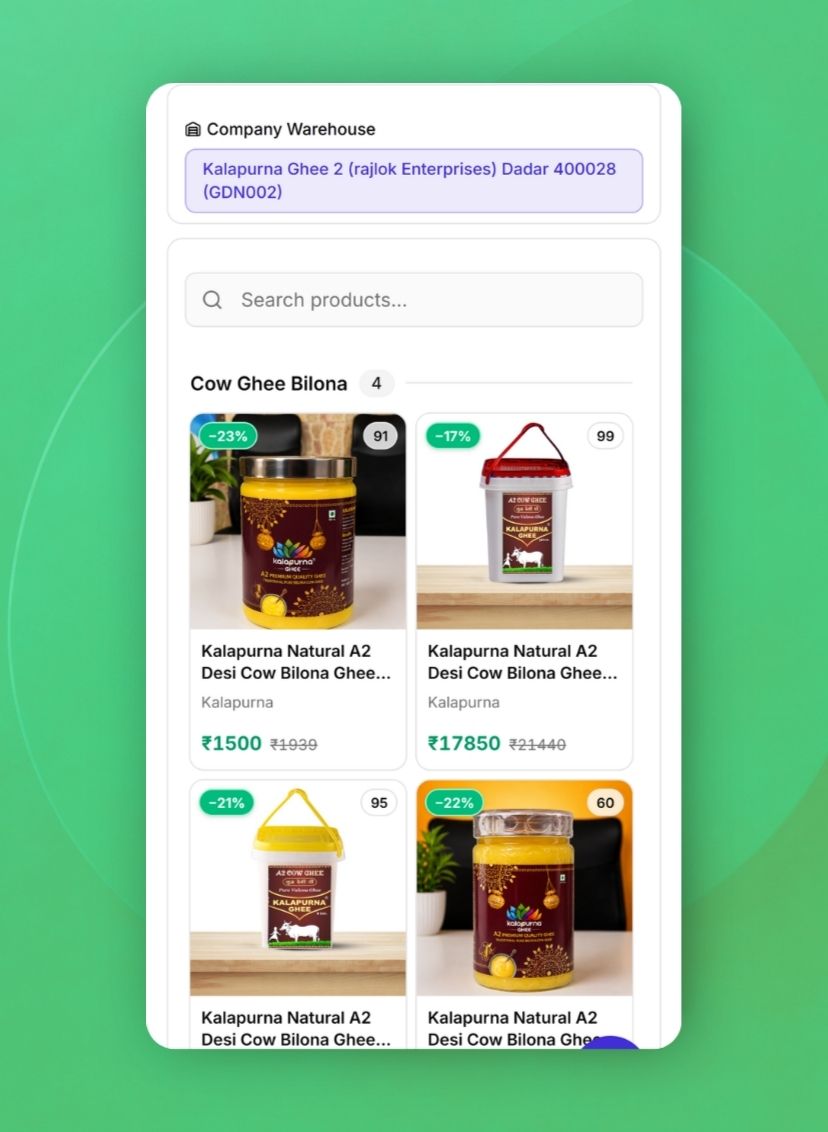
- 01A catalogue split the way buyers actually shop - ghee and oils as first-class category pages, with product detail, quick-view modal, wishlist and recently-viewed so browsing does not lose its place.
- 02Provenance treated as part of the sale: sourcing, lab test, licences, awards and the origin story are full pages linked from the product path, so the evidence sits one tap from the buy button.
- 03Checkout wired to Easebuzz end to end - payment initiation, verification and callback handling, with explicit success and failure pages instead of a dead end when a payment drops.
- 04Shiprocket integration covering serviceability checks at the pincode and shipment creation on order, with track-order and downloadable invoices in the customer account.
- 05Retention built in rather than bolted on: a referral programme, coupon engine, customer reviews, a return-request flow and a store locator for people who would rather buy in person.
- 06Two wholesale doors that keep the consumer path clean - a bulk-orders enquiry route and a become-distributor pipeline that feeds the same CRM the back office runs on.
- 07A content layer for search and trust - a blog with individual post pages, FAQ, help and support routes, and the full set of policy pages covering privacy, refund, shipping and terms.
The Results
- 01The provenance material a food buyer looks for - sourcing, lab results, licences, awards - now sits inside the shopping journey instead of in a footer, so the case for the price is made where the decision happens.
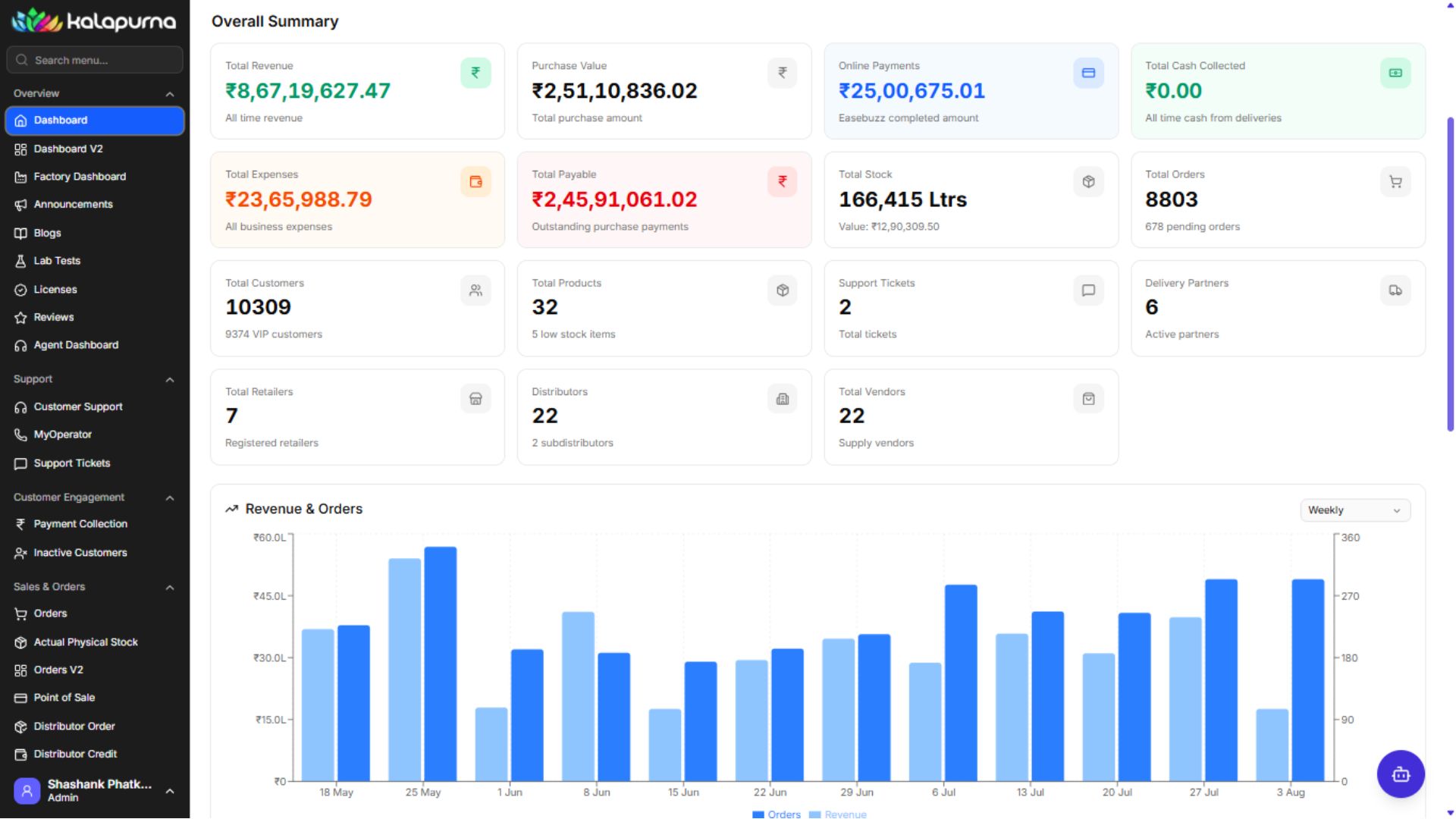
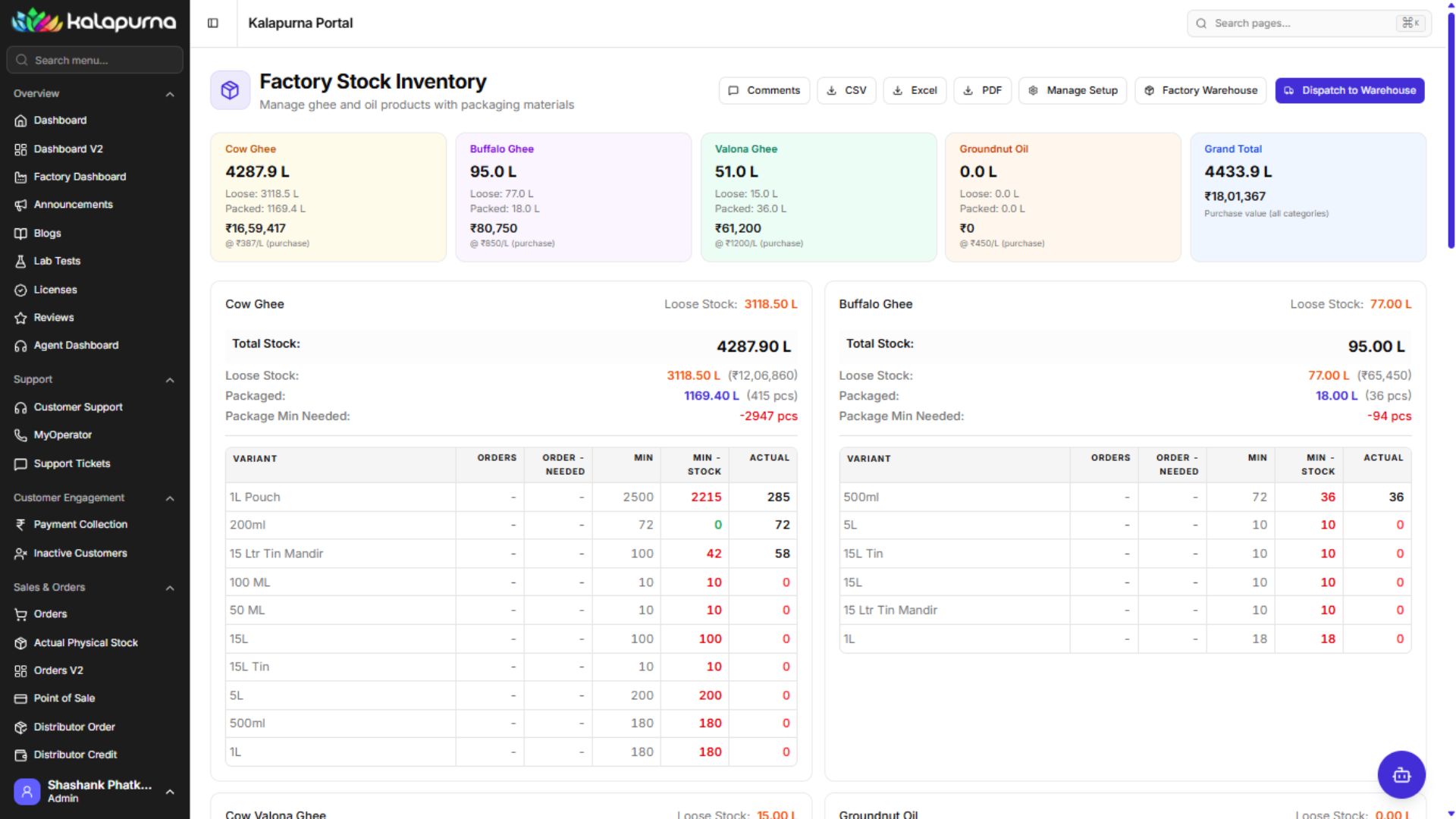
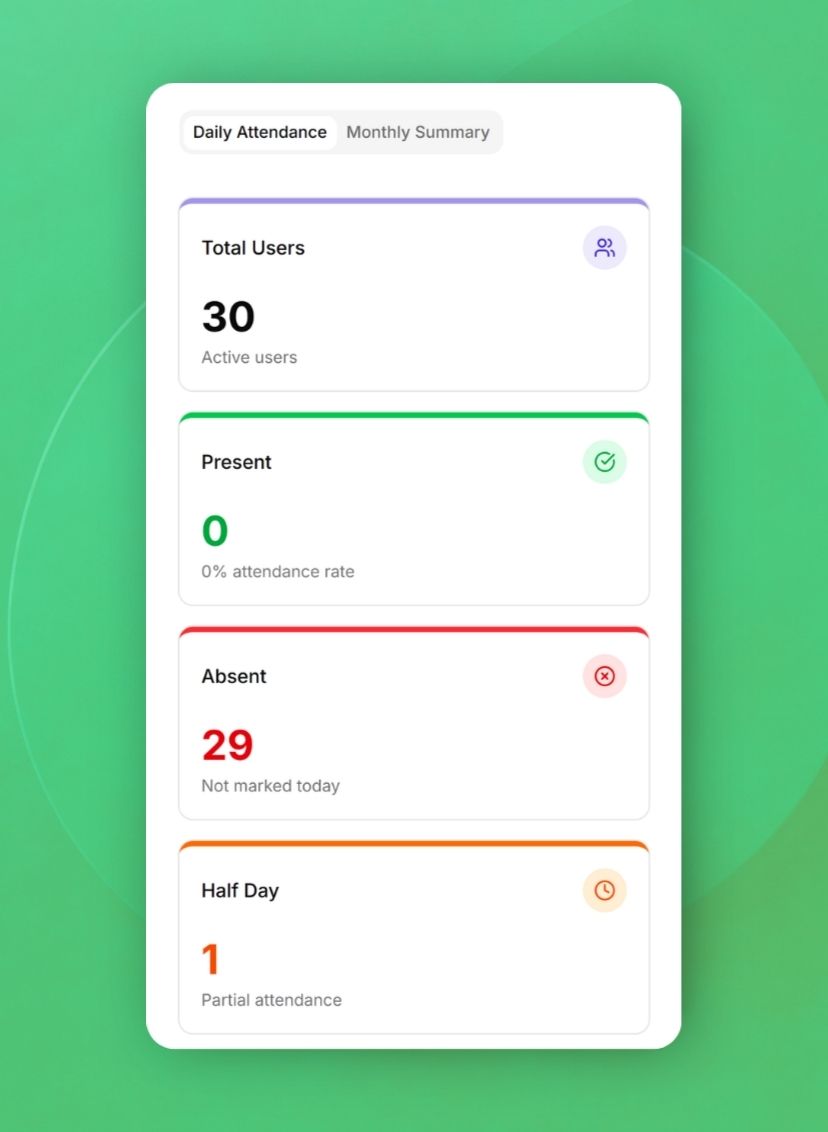
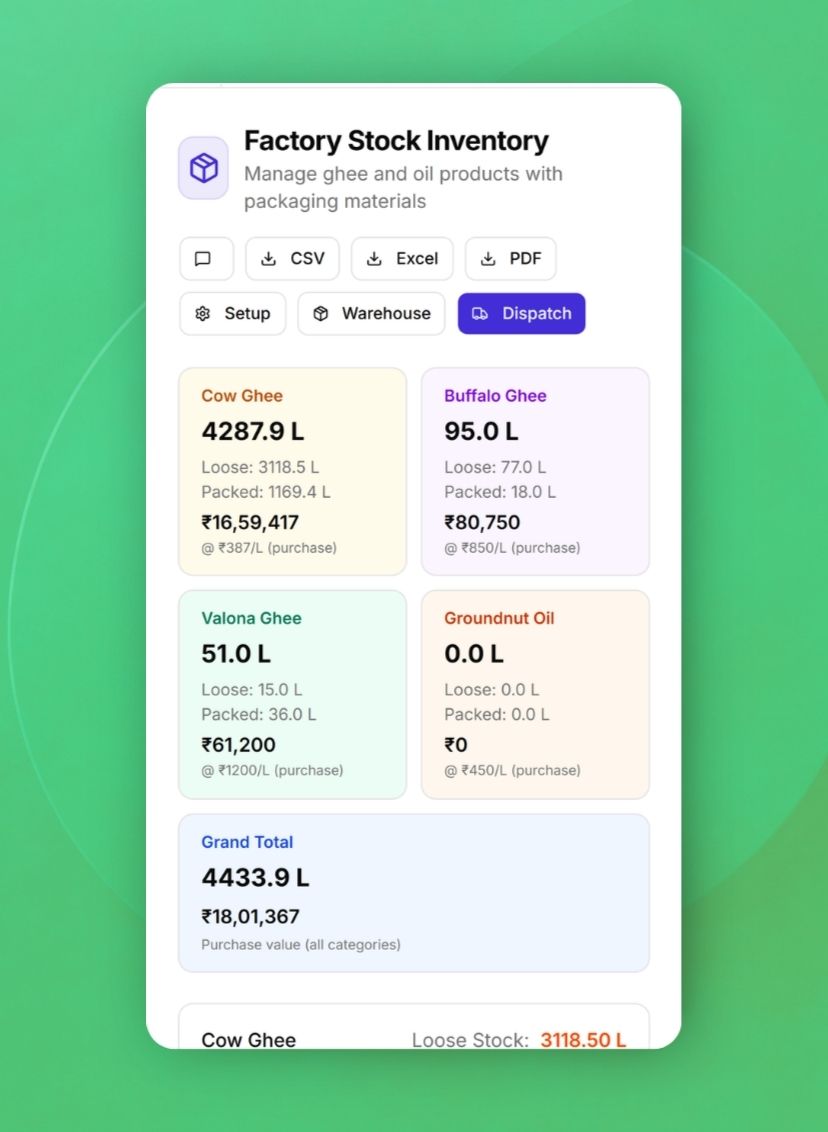
- 02The storefront shares one Supabase database with the Kalapurna CRM and the delivery driver app. An order placed here is the same record the warehouse picks, the accountant books and the driver delivers.
- 03Consumer, bulk and distributor demand are captured on the same site without the retail experience turning into a wholesale portal.
The Achievement
- 39 storefront pages and 5 API routes delivered on Next.js with TypeScript and Tailwind.
- Easebuzz payments integrated end to end, with verification and explicit failure handling.
- Shiprocket serviceability and shipment creation wired into checkout and order tracking.
- A 53-component design system built on shadcn/ui, with 10 bespoke storefront components on top.
- Referrals, coupons, wishlist, reviews and returns shipped as part of the first release.
- One database shared with the CRM and driver app, removing any sync step between shop and fulfilment.